Megasaw

Category: Concrete Cutting

Megasaw > Concrete Cutting

Do Australian Concrete Cutting Methods Vary From European Methods?

Are you searching for a reliable concrete cutting service in Australia? Are you wondering whether Australian concrete cutting methods vary from European methods? If so, read more below.

The simple answer to the question above is that the concrete cutting methods in Australia or Europe are virtually the same.

However, if you are in Australia, you still need to make sure you work with a reliable concrete cutting service when you have a concrete cutting project to get the best possible results.

Concrete is a versatile and durable construction material. It’s used in the construction industry across the globe.

Contractors use different methods when they are faced with the need to cut concrete for whatever reason.

You should have a working knowledge of the different concrete cutting methods across the globe when embarking upon a concrete cutting project.

This article highlights some of the most effective concrete cutting methods in Australia as well as Europe.

  • Diamond Sawing
  • Flat Sawing
  • Wall Sawing
  • Core Drilling
  • Wire Sawing

Diamond Sawing

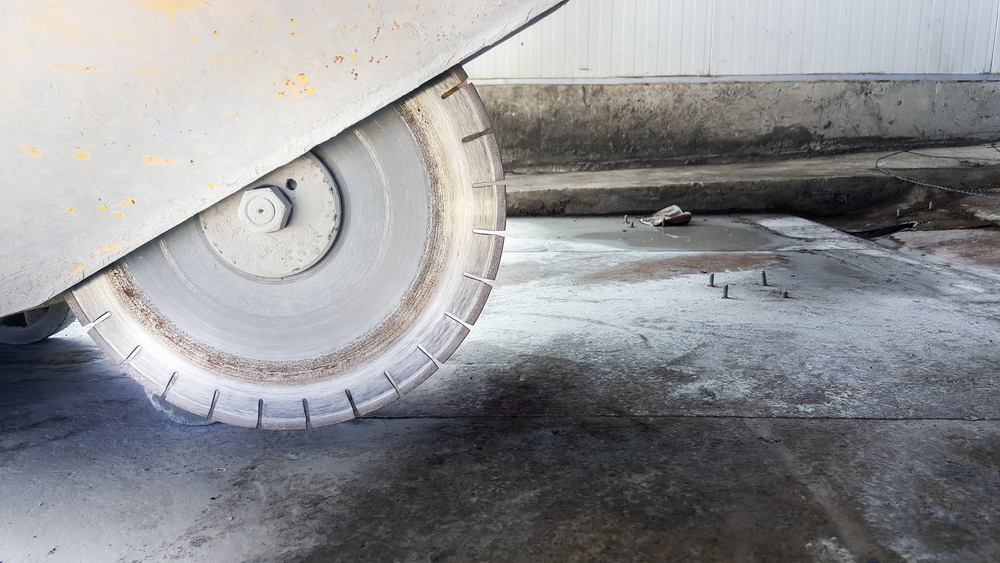
Diamond saws are more precise and much faster compared to most of the other concrete cutting methods. This method needs fewer operators and can cut rebar and other metals.

Diamond saws don’t vibrate and create a lot of noise like other concrete cutting methods. These tools are less likely to damage the adjoining concrete surface when cutting concrete.

However, diamond sawing should be performed by a professional concrete cutting contractor. You should rely on an experienced contractor for this purpose.

Flat Sawing

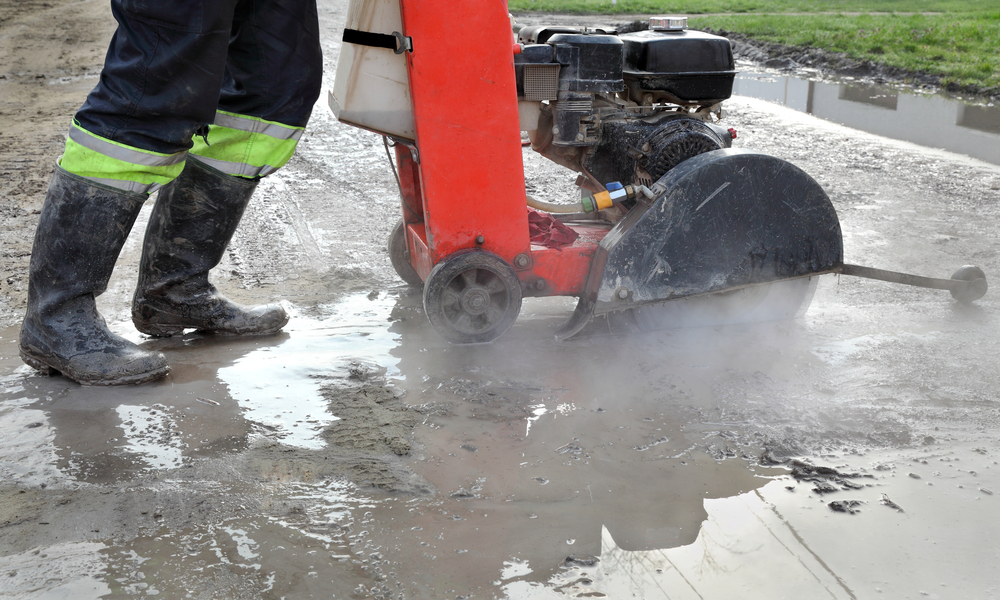
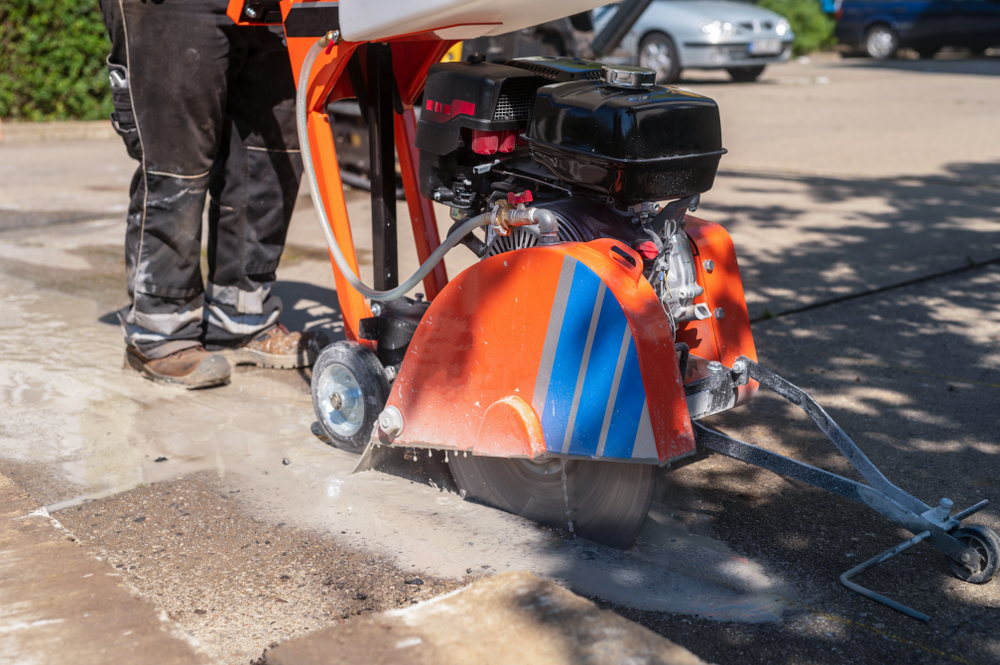
Flat sawing is a process that’s used to cut flat concrete surfaces such as floors and pavement. That’s why flat sawing is also known as slab sawing.

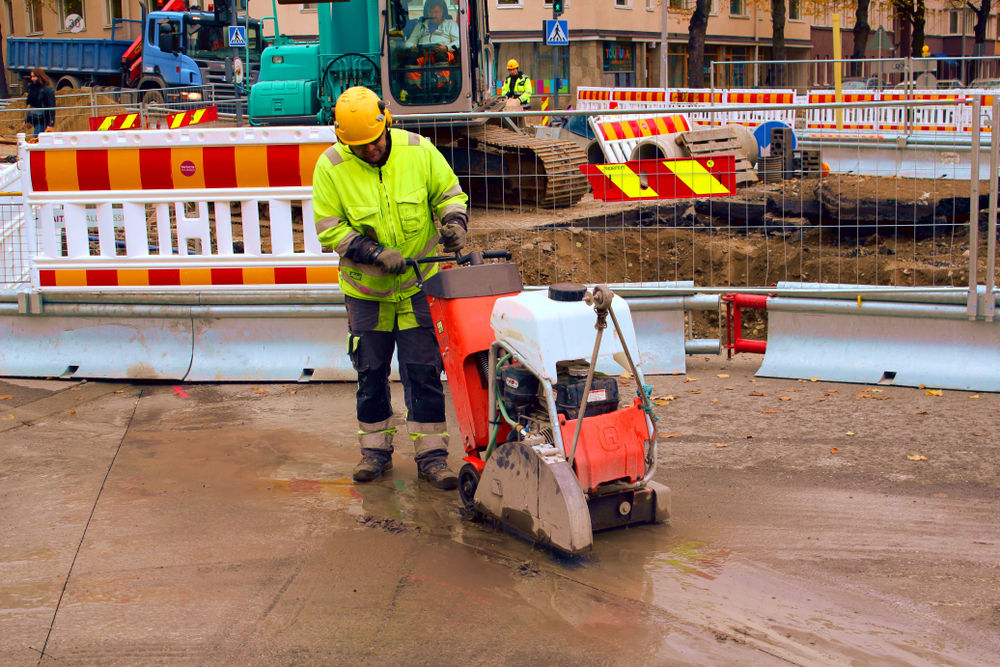
The saws are mounted on a cart that the contractor pushes from behind. Flat sawing is most often used to access wiring and broken pipes below a concrete floor.

It is also used to patch a road or highway and cut plumbing trenches.

Wall Sawing

Wall sawing is done with a circular blade on a track-mounted machine. The track allows the saw to cut ceilings and climb walls.

Wall sawing is used to cut concrete walls that are more than 16 inches thick however, it isn’t suitable to cut concrete walls that are 36 inches thick.

Wall sawing is not the best DIY project because it is difficult and requires expertise.

Core Drilling

Core drilling is important to make precise circular holes to create openings for pipes, heating, and electrical wires. It is also used to cut holes for air-conditioning or ventilating vents to fit through.

Core drilling can also be used for taking concrete samples. A core drill is a steel tube with diamond-tipped bits. These tools can be operated at any angle including vertically or horizontally.

Wire Sawing

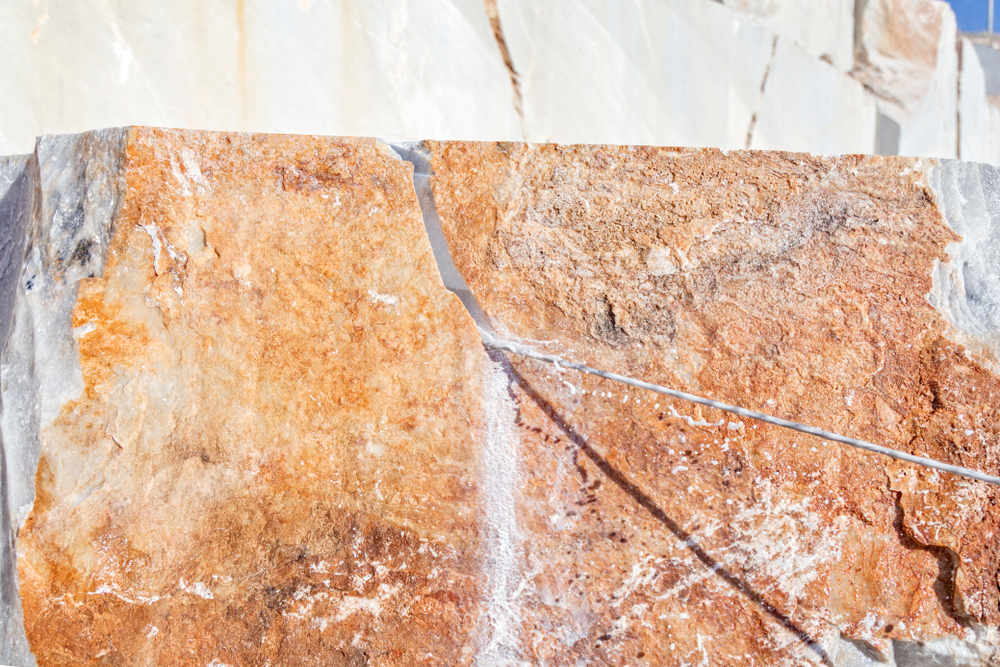
Wire sawing is usually reserved for much larger concrete cutting projects. It is used when every other method fails.

Wire saws are made using multistrand cables including small diamond segments threaded through pulleys that are attached to a drive wheel (powered by hydraulics).

When the saw operates, the wire will spin around and the hydraulic power unit will pull on the cable.

Final Thoughts

When you need to have some concrete cut, you should always rely on a professional and experienced concrete cutting service to handle the job.

If you are searching for the best concrete cutting service in Melbourne, there are many factors to consider before choosing the right contractor for the project.

Your research is important in this regard. Check the reputation, expertise, credentials, technology, and customer feedback of the potential cutting service before choosing the best one for the job.

If you are looking for a specialist concrete cutting company who uses only the best practices to get the job done right, then please call us at Megasaw on 1300 920 419 or contact us through our website

Using A Ring Saw For Cutting Through Walls

Do you have concrete walls that need to be cut through to install a window or air conditioner? Continue reading to learn why ring saws are the best option for this tricky task.

Cutting through concrete walls is never easy, especially internal walls as space is restricted and special tools are needed to cut through thick walls.

A ring saw is a type of saw that is specifically designed for cutting in confined spaces because its a handheld saw.

Another advantage of using a ring saw for cutting through concrete walls is that these cut with precision which means there is overcutting to the concrete surface and less damage caused.

What Makes a Ring Saw Different?

A ring saw is a variant of a band saw but the major difference is that it has a circular band instead of a flexible and oblong-shaped band.

Another major difference is that the blade is abrasive and it does not have teeth like the blade of a band saw.

The circular shape prevents bending due to the constant radius. It doesn’t have a spindle and it spins around an arbour with the help of a roller system.

It doesn’t vibrate like other saws and that is the reason it’s able to cut so precisely. A major advantage of a ring saw is that they can cut much deeper compared to other types of saws.

It is typically used for creating openings through concrete or brick walls which are then used for creating ventilation spaces, windows and doors among other things.

Following is a list of benefits that come with using a ring saw to cut a hole in just about any type of concrete wall.

Precise Cuts

Ring saws offer precise cutting due to the manner in which they operate. With a ring saw, the blade spins in a circle providing a consistent cutting motion.

With other saws, the blades tend to vibrate and that not only wears out the teeth quicker but also leads to chips and abrasions.

Because a ring saw is a handheld saw, it makes cutting more precisely a lot easier. Cutting corners or making right-angled cuts is much easier with a ring saw.

Deeper Cuts

The ring saw is preferred for cutting through walls as it can make deeper cuts that are difficult to make with other types of saws.

With a ring saw, you can cut at least 275 millimetres and since walls can be through both sides, you get at least 550 mm of cutting depth which is difficult to achieve with other types of saws.

Simply put, it is an efficient cutting tool for brick or concrete walls without any issues.

Durability

As a ring saw spins and doesn’t vibrate, the blade doesn’t wear out as quickly as is the case with other saws. It makes the ring saw more durable and also makes for cleaner cuts.

Portability

Ring saws are a handheld saw which means it is portable and can be used in any place which is not really possible with other types of saws.

This makes them ideal for use in confined spaces which is typically the case with cutting through walls.

Low Noise and No Vibration

Ring saws produce much less noise in comparison and they are also vibration-free which makes them ideal for use in confined spaces.

These saws are also faster compared to other saws which results in better productivity.

Another benefit of working with a ring saw is that water is used for cooling down the blade which leads to less concrete dust when cutting through concrete walls.

Simply put, it’s a cleaner method of concrete cutting.

Choosing a Blade for a Ring Saw

Many different types of blades are available for use with a ring saw but it’s important to choose the right one in order to get the best value for your money.

For example, abrasive blades offer precise cuts but also get very hot quickly. In case you need to run the saw for a longer period of time, you should look fora different type of blade.

Experts recommend using diamond blades as these blades have small diamonds on the edge. Diamond is the hardest material known to man and offers sharp, strong and clean cuts.

Conclusion

Overall, a ring saw offers the best value for money when it comes to cutting through walls and other smaller projects due to its precision and affordability.

Ring saws are capable of handling a variety of materials including thick concrete as well as granite and other materials.

Don’t forget to follow the safety instructions as these powerful machines are capable of causing serious damage.

If you are looking for a specialist concrete cutting company who uses only the best practices to get the job done right, then please call us at Megasaw on 1300 920 419 or contact us through our website

Tips for Cutting A Concrete Floor Near a Wall

Do you need to cut a concrete floor near a wall? This can be an extremely awkward proposition. Please read below for some tips on how to do this properly.

Cutting concrete floors is straightforward if you get the safety precautions right and understand how to do it.

However, floors are different, and, in some cases, the fixtures close to them make the job challenging for you.

One typical example is where you need to cut concrete floors in tight corners and places near the walls. Here is where you will be required to dig deep and find out the best ways to make the cuts.

Doing it is not all doom and gloom, and with a few tips, you can make light work of these awkward situations.

Find the Best Saw

Many saws are designed to cut flat surfaces, and their bulky bodies make it hard to access corner spaces such as the intersection of floors and walls.

However, a few saws have been designed in such a way that makes them suitable for such scenarios.

If you are taking on a project that will involve cutting concrete in tight places, it is better to find a saw that is suited for that.

An example is a toe kick saw that consists of a little blade attached to a regular round saw with a lengthy joint. The name toe kick refers to the space beneath kitchen base cabinets.

The long joint holding the blade allows it to access such tight spaces and make cuts.

Undercut saws are a great option and operate differently from the toe kick ones. They are mounted to the saw’s motor with its position being perpendicular to the body of the saw.

The positioning of this saw allows you to place the toll against the surface, saw the wall and cut through the tight space.

Other notable saws suited for such applications are handheld rotary tools and masonry wall saws.

Find the Best Blades

You are limited to a few options when making concrete cuts in tight places. Therefore, you need to choose your blade wisely. Using the wrong blade will make it difficult to cut the area correctly.

The disadvantage of these tight spots is that once you make a wrong cut, it becomes difficult to correct the mistake.

Diamond blades are singled out as the top options for making cuts across a wide variety of scenarios, and it is best if you use them when cutting near a wall.

Ensure that you buy the right blade for this application.

Observe Safety

When faced with a challenging situation such as cutting concrete in tight spaces, it is easy to focus on handling the task correctly and forget about safety.

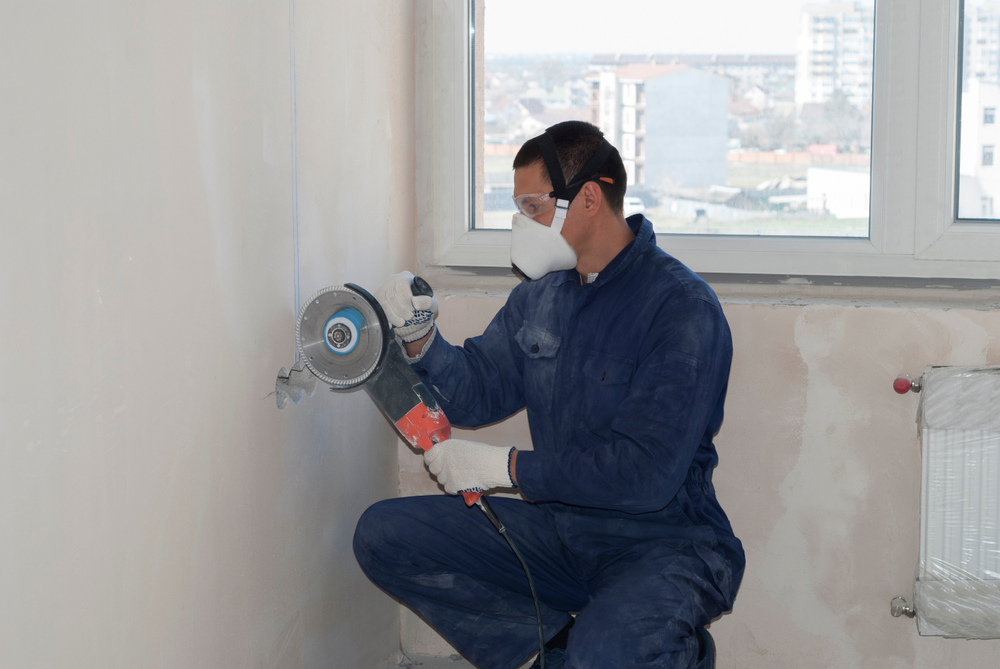
Safety should be a priority regardless of the concrete cutting application you are engaged in. Remember to watch the dust and always wear a safety mask when cutting concrete.

Ensure that as you maneuver and position your body to make the right cut, you stay grounded and don’t lose your balance.

Most concrete cutting accidents are due to the operator not being properly balanced. Keep your body away from the saws rotation route to avoid any potential injuries.

Once you have made the cut or if you are taking a break to pick up a call or do anything else, make sure you deactivate the saw. Make sure you unplug it from the wall and totally disengage it.

Leaving it engaged poses a considerable risk to you and the people around the site.

Some of the ways to cut concrete in tight corners have been mentioned above. It can be concluded that making such cuts is reasonably easy if you have machines that are designed to make them.

With the proper technique and with the right tools, you should be able to make these cuts safely.

If you are looking for a specialist concrete cutting company who uses only the best practices to get the job done right, then please call us at Megasaw on 1300 920 419 or contact us through our website

What Are The Different Concrete Cutting Techniques

What are the different concrete cutting techniques available? How do you choose the right one for your project? Let’s take a look at this is more detail below.

Today’s highly advanced concrete cutting equipment is credited with a variety of benefits.

This includes precise cutting, limited access cutting, reduced downtime, the ability to cut through the hardest of reinforced concrete surfaces all while maintaining structural integrity.

Even with the above benefits in mind, it is important that you address a few questions to get the most out of this advanced technology when cutting concrete.

Answering these questions will not only make it easier for you to reap the above benefits but will also result in a smoother and more efficient project.

Diamond Sawing

This is one of the most commonly used techniques when it comes to cutting through the hardest concrete surfaces.

Diamond sawing is mainly used to make the most accurate cuts in all sorts of concrete surfaces, including walls, slabs and floors.

Since diamond sawing is known for being fairly quiet, it is the preferred option when it comes to concrete cutting projects conducted indoors; regardless of whether it is a residential or commercial space.

Flat Sawing

If your project involves cutting through a flat concrete surface such as floors, paths, loading docks, slabs or even roads, consider using the flat sawing technique.

Flat sawing, which is also referred to as slab sawing, involves the use of a slab or floor cutting attachment.

To avoid cutting through any utilities buried under the concrete, flat sawing techniques call for the making cuts up and down the surface in question.

This technique not only prevents unnecessary damage by preventing the accidental severing of buried utilities but also enhances the safety of both workers and anyone else within the vicinity of the project.

Wall Sawing

If you need to cut through vertical walls to create an opening for a new vent, window or doorway, this is the best technique to use.

Wall cutting, also referred to as track sawing, requires the use of a highly effective wall attachment that is designed to increase the effectiveness and accuracy of using a circular concrete saw in making vertical and horizontal cuts along walls, around corners and into the ceiling where necessary.

Wire Sawing

This concrete cutting technique is usually used in applications where all the other techniques are not viable.

Originally applied in stone cutting operations in quarries, wire sawing involves the use of a multi-strand cable with diamond attachments to cut through huge sections of concrete blocks.

The cable is guided through the concrete section to be cut using a system of pulleys.

Wire sawing techniques are mostly applied in situations where the concrete sections to be cut are huge, like sections of a bridge, piers or towers, in which other techniques are ineffective.

Core Drilling

Core drilling techniques are best suited to projects that require the drilling of tubular sections in concrete surfaces.

This means that if you are looking to drill a hole through concrete for routing plumbing, cables, HVAC vents or for the installation of anchoring bolts, core drilling is the most suitable technique to use.

The drill bit used is made up of a steel tube with laser welded or brazed diamond segments attached to an air, electric or hydraulic powered core drilling unit.

Summary

As you can clearly see from the above, different projects require different concrete cutting techniques.

After defining the requirements of your specific concrete cutting project, you can move on to identifying the most suitable technique based on the above information.

If you are looking for a specialist concrete cutting company who uses only the best practices to get the job done right, then please call us at Megasaw on 1300 920 419 or contact us through our website

Using Ring Saws for Deep Concrete Cutting Applications

How deep can ring saws actually cut into concrete? It not so much the saw that matters, but what it is you’re cutting. Please read below as we explore this topic further.

Saws are useful machines that help to cut tough surfaces such as concrete. The modern-day saws are robust and allow people working on projects to make cuts with a lot of precision.

You will come across a wide variety of saws when it comes to concrete sawing, and ring saws are undoubtedly one of the best saws in the industry.

They are useful for projects where you need to make cuts in confined spaces such as corners.

When ring sawing, it helps to know how deep they can cut for you to decide whether they are suited to your application or if you need a different type of saw.

Before going into the depth these saws can cut, it is essential to point out what makes them a suitable option.

What is a Ring Saw?

Ring saws are handheld and thus making them suited for places that a regular saw cannot access.

They help to make deep cuts in such confined spaces since the space limitation makes it hard to get these cuts with a regular hand saw.

They also help to achieve precision cutting and can cut through stone, granite, marble, glass, and acrylic among others.

The typical application of a ring saw is when there is a need to create small openings through concrete, such as windows, frames, and ventilation among others.

Benefits of Ring Saws

Ring saws are small in size while still offering a significant amount of power needed to make cuts. They can typically make cuts of up to 275 mm deep.

They are used for making cuts in the most confined places with a lot of precision. These saws are known for their clean cutting experience in that they are used with water to keep the blade cool.

This way, they do not produce as much dust as other types of saws making your working area clean and reducing the risk of inhaling the particles.

Ring saws are bumped and not toothed making them comparatively safe. They cut through the action of the abrasive age generating friction against the hard surface.

They also work by spinning the circle blade meaning that they do not vibrate, making them better to handle when cutting.

Choosing the Right Blade

There are different types of blades you can use on your ring saw, and they all determine how deep you will cut, among other factors.

Abrasive blades are ideal for applications that require a lot of precision, but they produce a lot of dust. They heat up quickly and might not offer you the power needed to make very deep cuts.

They are not suitable for jobs that take a long time. Wet blades are fast and clean. They use water to cool the blade as indicated above, and this reduces the dust produced when cutting.

They allow you to complete the work faster since you do not have to worry about the dust produced and the blade heating up. Note that you need a special type of ring saw to use this blade.

Diamond blades are arguably the best for making deep cuts. They are durable and can cut through any material.

If you are looking to make deep cuts or handle projects that take a lot of time, diamond blades are your best option.

Ring saws are a great option if you are looking to make deep cuts in confined areas.

You will enjoy several benefits by using them over the traditional hand saws, and if you have a project, consider using them, and you won’t regret it.

Always remember to uphold safety precautions when using ring saws for your projects as these machines are dangerous when misused and can cause serious injury.

If you are looking for a specialist concrete cutting company who uses only the best practices to get the job done right, then please call us at Megasaw on 1300 920 419 or contact us through our website

How to Cut Straight Using a Circular Saw

Circular saws are powerful and can cut through almost anything. However, cutting in a straight line with them can be tricky, especially when you are making freehand cuts.

Circular saws use abrasion to make cuts and this means it can be tricky to keep the direction of the saw perfectly accurate.

If you want to make a perfectly straight cut through a long piece of concrete (such as a wall, or even just large paving stones), you should not rely on guesswork alone.

The tips below will help you to keep your cuts true and straight.

Use a Guide Line

Instead of guessing, draw a thick guideline with a ruler so that you have something to aim for and to help you keep the cut accurate.

Hold the Saw Properly

If you are cutting an object that is laying flat on the ground, hold the saw with one hand on the handle, and the other on the shoe.

Press your thumb against the tab on the shoe and put your index finger underneath the board you are cutting. The handle of the saw should be facing you, with the blade behind the shoe.

This will ensure that you have good control of the blade and that your fingers are properly protected.

Keep the Saw Lubricated

If you are cutting concrete, you will find that the saw performs much better if it is lubricated properly. Use water to wash away any dust, cool the blade and keep it performing at its best.

If you feel that the saw is starting to ‘chew’ when cutting, consider replacing the blade. A fresh diamond blade will cut more quickly and will be more likely to cut true as well.

For Smaller Cuts, Use a Straight Edge as a Guide

An alternative is to use a straight edge as a guide. This can be a good option if you are just cutting a small block. Use a piece of straight wood as a ‘fence’.

Position the wood so that when you are cutting, the fence acts as a guide and stops the saw from going off course.

The blade will be able to cut the wood that you are using as a guide just as easily as it can cut the concrete, it is not a ‘barrier’, it is simply a guide to help keep the blade on track.

If you use this method, remember that you should push the saw against the straight edge, rather than pulling the saw towards you.

The straight edge is a guide and will keep the saw moving smoothly.

When Cutting to Increasing Depth, Use Dry Cuts

As mentioned earlier, when cutting thick, strong materials you might want to use water to lubricate the blade as you cut. This will allow the blade to move more quickly and smoothly.

If, however, you are making a series of cuts that are increasing in depth each time, use a dry-cutting blade instead.

Gravity is Your Friend

If you ever need to make a cut into a wall, cut down, not up. This will help you a lot because gravity will be on your side, pulling the saw straight down, so you are less likely to end up off-course.

Circular saws are a great time-saving tool. Set your guides up properly to begin with and the saw will do all the work for you.

Make sure that you are using a good blade, and wearing proper safety gear at all times.

If you are looking for a specialist concrete cutting company who uses only the best practices to get the job done right, then please call us at Megasaw on 1300 920 419 or contact us through our website

The 3 Common Methods Of Cutting Concrete

Are you involved in a major construction or renovation project? Are you wondering what concrete cutting method is right for your project? Please read below for more.

When you are involved in a major construction or renovation project, you may need to cut through concrete at some point.

You may have to cut through a concrete wall to create space for windows or cut through a concrete floor to install pipes. Concrete cutting isn’t the best DIY project for an inexperienced homeowner.

There are several methods of cutting concrete. Each method uses specialised tools that are dangerous if you lack the expertise to operate them.

This article provides information on 3 common methods of cutting concrete.

  • Wall sawing
  • Slab sawing
  • Wire Sawing

Wall Sawing

This method helps cut through concrete walls. Wall sawing features a diamond blade similar to slab sawing. The latest wall saws can cut through concrete that’s up to 21 inches thick.

You can use this method instead of slab sawing to cut through concrete floors too. Most contractors use wall sawing to cut through concrete floors.

When you have a sloped floor, a wall saw is the best tool to cut through it. You can also use this tool to make openings in ceilings in your home. There are two types of wall saws out there.

Electric saws and truck-mounted hydraulic saws are these two types.

Even though hydraulic saws are more powerful, electric saws are easier to use because they are lighter and quieter when operating.

Slab Sawing

Slab sawing is also known as flat sawing and is used to cut through flat concrete surfaces such as decks, floors, and driveways in your home or office.

There are two basic types of slab saws such as heavy-duty riding saws and walk-behind push saws. These saws are operated using gas, electricity, hydraulic power, diesel, and propane.

A diamond blade is used in the slab saw to cut concrete. A diamond blade is beneficial because it cuts through concrete quietly and quickly.

It requires less water compared to other concrete cutting blades. The latest slab saws can cut concrete that’s up to 30 inches thick.

Slab saws produce precise cuts compared to other concrete cutting saws out there.

Wire Sawing

Wire sawing is the third method of cutting concrete. When wall sawing or slab sawing doesn’t work, contractors use wire sawing. This method is ideal for large scale projects.

It can also be used to access areas that are hard to access through other concrete cutting tools.

A wire saw has a metal wire covered with diamond-tipped beads which makes it more effective than most of the other concrete cutting tools.

Wire sawing is used to cut through reinforced rebar, steel-encased concrete or retaining walls. It can make precise cuts in concrete without producing any vibrations in the process.

It can cut irregular concrete shapes with impressive accuracy.

Concrete cutting is a complex process that requires professional assistance. Concrete cutting isn’t the best DIY project for an inexperienced contractor.

The process involves several different tools and methods. You need to choose the right concrete cutting method depending on your specific project.

If you are looking for a specialist concrete cutting company who uses only the best practices to get the job done right, then please call us at Megasaw on 1300 920 419 or contact us through our website

Ring Saw Blades – What Are They Made Of and How Do they Work?

Do you know what ring saw blades are made from and how they actually work? You might be interested to learn more about these specialist tools. Please read below and we look into this further.

Ring saws are a highly specialist form of saw for cutting very hard materials. They are similar to band saws, however, instead of a flexible oblong band, they rely on a circular blade with an abrasive coating.

How do Ring Saws Work?

Unlike traditional saws which have teeth that will ‘cut’ into the surface, ring saws use an abrasive coating. They essentially ‘sand away’ the area around the insertion point so that they can cut.

Unlike some other types of cutters, which vibrate, ring saws spin in a circle, which reduces the risk of chipping the material, and also produces more even wear on the blade.

Abrasive saws can be used to cut a number of surfaces. They are used to cut glass, for example, but they can also cut wood, brittle and hard minerals, and concrete.

They are so strong that they can even cut reinforced concrete. To do this for larger cuts, however, they will need lubrication.

What is a Ring Saw Blade Made From?

Ring saw blades are usually made from diamonds. Very small, industrial-grade diamonds are glued to the cutting surface.

Diamonds are incredibly strong and will not break or shatter even when they come into contact with something that would be traditionally thought of as very hard (such as concrete or steel).

There are a huge number of diamonds stuck to the cutting surface, and they give a smooth, fine finish. However, the abrasion process generates a lot of heat and dust.

The glue that is used to hold the diamonds in place can melt and form a coating over the diamonds, and the dust from the cutting process can build up in between the diamonds themselves, making the blade feel smooth.

When this happens, the blade will not cut as effectively. Wet cutting helps to prevent this issue from happening and can greatly prolong the life of the belt.

Wet cutting uses a steady stream of water to wash away the dust produced in the cutting process and also cool the blade.

This also helps to protect the worker who is operating the saw from dust inhalation.

Using a Ring Saw

Ring saws are expensive devices, and the blades must be changed regularly because they will go ‘blunt’ even when you are wet cutting.

They are also quite dangerous to use when performing long, thick cuts. It is vital that you use the proper safety equipment and take precautions when cutting.

If you are planning on cutting only a small amount of concrete, or you have not used a ring saw before, you may want to consider bringing in some experts to do the job for you.

It takes skill to cut a hole into a concrete wall plumb and square and to keep the blade on track for longer cuts.

If you do not operate a ring saw properly then you run the risk of not just bad cuts, but also wearing out the blade more quickly, or damaging the rollers, as well as potentially injuring yourself.

Concrete dust is harmful to human lungs. There are some studies which have found links between exposure to crystalline silica and lung cancer.

For this reason, it is vital that workers wear respirators when using ring saws to cut concrete.

Even a small amount of exposure to concrete dust can have potentially serious health implications in the future.

Ring saws can make short work of concrete, stone, granite, marble and other solid materials, and they are good for precision cuts and also for cutting in confined spaces.

However, they require careful handling to ensure the safety of the operator and those around them.

If you are looking for a specialist concrete cutting company who uses only the best practices to get the job done right, then please call us at Megasaw on 1300 920 419 or contact us through our website

Essential Safety Measures Taken During Concrete Cutting

Are you practising the correct safety measures when cutting concrete? Concrete cutting can be dangerous so please read below for some safety tips when you’re cutting concrete.

With over $20-billion worth of construction work performed in Australia every month, the demand for concrete cutting has never been stronger than it is today.

Concrete cutting can be harmful to your health when the proper safety measures are not followed. There are many safety measures that you need to take when cutting concrete blocks.

Here are some of the most essential safety measures you should take during concrete cutting.

  • Update to local standards
  • Communicate with your team
  • Personal protection equipment
  • Keep the air clean
  • Check the concrete saw and blade

Update To Local Standards

Local safety standards in Australia are constantly being updated.

You should be aware of the latest safety standards in your locality to provide a safe environment for the concrete workers on your team.

You can’t expect the workers to follow the safety standards in your locality when you are not up to date with the latest regulations yourself.

Check with the local authorities about the latest rules and regulations you need to follow when operating a concrete cutting facility in the area.

If you don’t do this, you may unwittingly get fined for not following the proper safety regulations.

Communicate With Your Team

Communication is crucial to the success of your concrete cutting operation.

You and your team of concrete cutters should be up to date with the latest regulations in the area when performing such an operation.

It doesn’t matter what the size of the job is or whether you’re using a ring saw or other types of saws for the job, you should sit together with your team and explain all the risks of concrete cutting and how these risks can be minimised.

When your team knows how to operate safely, they will follow the proper rules and regulations and be safe at all times.

Proper training is important when it comes to safety issues. You should make sure all the workers in your team are properly trained on the safety measures when cutting concrete.

Personal Protection Equipment

All workers of your concrete cutting project should wear the right personal protection equipment. They should be well protected as part of their job.

You should be protected from head to toe when engaged in a risky vocation like concrete cutting. Sturdy boots and garments are important to protect your body, feet, and arms.

Even if concrete cutting saws have water flowing from the blade to keep the dust away, gloves and goggles will protect your hands and eyes during the cutting process,

You should also avoid using boots with worn-out treads because they can result in slips and falls.

Anyone in the vicinity should also be protected with face shields because chips and shards can be thrown out from the concrete cutting site.

Concrete cutting involves a lot of noise so ear protection equipment is also important to prevent noise pollution.

Keep The Air Clean

Water will be flowing over the blade of the concrete saw to reduce concrete dust. However, some concrete dust and smoke are inevitable when cutting concrete blocks.

Make sure everyone has respiratory equipment to protect themselves from the concrete dust. You need to manage dust to promote lung health and safety.

A wet cut can reduce the amount of dust from the cutting process but if you are using the dry cut method, you should ensure anyone in the vicinity wears masks and respiratory devices to protect themselves from the concrete dust.

Check The Concrete Saw And Blade

Check the concrete saw and blade for safety any time you are working with such tools, especially hand saws. A dull or damaged saw shouldn’t be used for cutting concrete.

Check the power cord and water pump before starting the work.

Use a sharp diamond blade that is the appropriate size for the job to also minimise any further accidents or unnecessary waste of power or equipment.

If you are looking for a specialist concrete cutting company who uses only the best practices to get the job done right, then please call us at Megasaw on 1300 920 419 or contact us through our website

What is a Wire Diamond Saw and Why Are They Used?

What is a diamond wire saw? Why would you use one for cutting concrete? Let’s take a look in more detail below.

There are many methods of cutting concrete. Ring saws are popular because they are easy to handle and can cut straight lines with relative ease. However, there are limitations to ring saws.

The diameter of the blade determines how deeply it can cut, and if someone needs to cut concrete that is very thick, or wants to make a curved or angled cut, then an alternative method should be used.

Diamond Wire Cutting for Thicker Materials

Diamond wire cutting uses a wire that has been treated with diamond dust to cut through heavy materials.

Diamonds are incredibly strong, and this method of cutting can work on almost anything that is softer than the abrasive surfaces of the diamond.

Diamond wire cutting is very practical, simple, and inexpensive.

Thin diamond wire, intended for general use on materials that are not difficult to cut is so inexpensive especially when the cost is measured in cents per foot or metre.

The wire that is used to cut concrete is slightly more expensive to make because it must be thicker and requires more diamonds to produce.

However, it is still an affordable way of cutting concrete when compared to many alternatives.

Why Use Diamond Wire Saws?

The cost is not the only attractive property of diamond wire saws. They are also a popular choice because they tend to produce less waste and dust than solid blades.

Diamond wire saws require water to cool the cut, as a lubricant, and to wash away any debris, but they produce less waste overall than cutting with a traditional blade. They produce a rapid, clean cut.

The Downsides of Wire Cutting

There are some downsides to using wire diamond saws, however. These blades are fragile and can jam, snap or tangle when they are worn down.

The wire is inexpensive, so replacing broken wires is not too much of an issue, but a broken wire can be a safety concern.

When a solid blade becomes worn it simply cuts less effectively or jams. A wire blade can also whip out, potentially injuring the operator.

A reel of diamond wire tends to have a usable life span of six ‘cuts’ where the spool cycles from one end to the other.

After that, it is likely that the abrasiveness will be too worn down to be useful, and will be at much greater risk of snapping.

Choosing the Right Tool for the Job

Given the above information, it’s clear that diamond wire saws are useful for specific applications, but they are not the ideal multi-purpose cutting tool that they may first seem.

A handheld ring saw is an easy to use tool that is comparatively low-risk to operate and that might be better suited for a lot of jobs.

Wire diamond saws, by comparison, are less portable since they require large spools of wire, and there is more that can go wrong with them in operation.

Wire diamond saws do have a clear use for situations where a ring saw or chainsaw is not able to cut deeply enough.

They also have a level of versatility in that changing the wire allows you to cut different grades and densities of materials. This means that they are a great choice for large construction jobs.

If you are considering using a wire diamond saw, make sure that you select the right wire, and that you follow the safety directions to the letter.

You need to replace the wire when cutting starts to slow down because worn or damaged wires can present a huge risk to the safety of the operator and others who are in the vicinity when the saw is in use.

If you are looking for a specialist concrete cutting company who uses only the best practices to get the job done right, then please call us at Megasaw on 1300 920 419 or contact us through our website

Posts pagination